 |
|
Bio Dr. Sridhar is an associate professor of clinical ophthalmology at Bascom Palmer Eye Institute, Miami. DISCLOSURES: Dr. Sridhar is a consultant to Alcon, DORC, Genentech/Roche and Regeneron Pharmaceuticals. |
Prediction platforms Kalshi and Polymarket now offer markets tied to FDA approvals and drug development.1,2 Kalshi recently announced a pilot program allowing people to trade on whether selected late-stage clinical trials will meet their primary endpoints. Kalshi says these markets will only open after enrollment is complete and prohibits trading by individuals with material nonpublic information. But beyond the regulatory questions lies a more uncomfortable issue for medicine: What happens when the outcome of a clinical trial becomes something people can directly bet on and the physicians closest to that trial are simultaneously posting, speaking and interacting publicly online?
Financial speculation around clinical research is hardly new. Pharmaceutical stocks can rise or fall dramatically after a trial result or FDA decision, and sophisticated investors have always tried to anticipate those outcomes. Prediction markets make the relationship much more explicit. Instead of investing in a company with dozens of products and business considerations, someone can effectively place a financial wager on whether one specific clinical experiment succeeds. This new system represents a distinct break from traditional models of speculation in the biopharmaceutical space.
There are legitimate arguments in favor of prediction markets. They may aggregate dispersed information from physicians, scientists, investors, patients and others following a field. Their prices can create a continuously updated public estimate of how likely a trial is to succeed. In theory, that may be more informative than analyst reports, corporate guidance or conventional expert opinion.
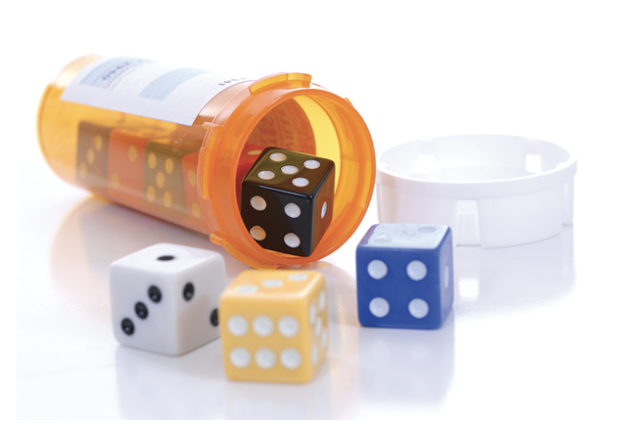 |
However, clinical trials are not football games. The people with the best information are sometimes helping determine the outcome being predicted. An investigator may know whether patients are completing visits, whether unexpected adverse events are occurring, whether recruitment has been unusually difficult, or simply whether the treatment appears to be performing differently than expected. In addition, while legally bound to be honest in their assessments, investigators can directly impact trial results especially as it pertains to documentation of safety events, treatment decisions (when trials allow for physician discretion), and in some trials image interpretation.3 Trial leadership, data-monitoring committees, sponsor employees, and consultants may know considerably more. A physician directly betting on the outcome of a trial he or she is conducting would therefore present an obvious ethical problem, even before debating whether a particular transaction technically violates securities law, platform rules or another regulation.4
The more interesting problem, however, may involve physicians who never place a bet at all. Imagine an investigator posting that she is “very excited about what we’re seeing with the X trial.” A prominent physician likes a sponsor’s post about an upcoming data presentation. Someone says on a podcast that a therapy “could be practice-changing.” An investigator posts photographs from an advisory-board dinner, comments that enrollment has gone exceptionally well or suddenly becomes unusually enthusiastic about a drug shortly before results are released. Before, those behaviors might primarily have raised questions about professionalism, promotion or disclosure. Now someone may literally put money behind what they think those signals mean.
The new standard can’t simply be, “I didn’t reveal the results.” Information leakage exists on a spectrum. Physicians routinely communicate enthusiasm, skepticism and confidence through conference remarks, podcasts, LinkedIn posts, X, Instagram, likes, reposts and private online groups. Individually, these signals may seem trivial. Collectively, they can become data.
Physicians involved in trials therefore need stricter boundaries. We can’t trade contracts related to trials in which we participate. We can’t discuss nonpublic observations about enrollment, efficacy or safety. More than ever we have to avoid even the vaguest hints about how a study appears to be progressing. We must be cautious about amplifying sponsor messaging while blinded results remain pending. Finally, we must disclose investigator, consulting and financial relationships when publicly discussing a therapy.
Sponsors and academic institutions should address this directly as well. Traditional confidentiality training was designed for an era in which leaking information meant handing someone a document or explicitly disclosing a result. Today, information may leak through a podcast aside, an emoji, a “like,” or an enthusiastic post from an investigator whose followers know exactly which study he’s involved with.
Prediction markets have therefore created something medicine has not previously had to think much about: a direct financial price attached to the public perception of an unfinished clinical trial. A useful test may be straightforward: Would you be comfortable seeing your post displayed next to a live betting market for the trial, with traders changing their positions based partly on what they think your words imply? If the answer is no, it probably shouldn’t be posted. Because once clinical trials become tradable events, a physician’s social media activity may no longer be just commentary on the science: It can become part of the market itself. RS
REFERENCES
1. Reuters. Kalshi to allow bets on clinical trials, FDA decisions. July 16, 2026.
2. Polymarket. Clinical-trial and FDA-approval prediction markets. Accessed August 2026.
3. U.S. Food and Drug Administration. Financial Disclosure by Clinical Investigators.
4. AMA Code of Medical Ethics. Professionalism in the Use of Social Media.